


The smarter E Europe, Energy Industry Exhibition and Conference
The smarter E Europe 2026, Europe’s leading energy industry exhibition and conference alliance, runs June 22–25 in Germany (conferences June 22–23, exhibition June 23–25), focusing on renewable energy, energy storage, e-mobility, and heating transition with bilingual knowledge sharing, networking, and tailored services for exhibitors, visitors, and policymakers, driven by EU policies and global energy transition trends.
1. Overview
Basic Information
Value Proposition
2. Exhibition & Conference Focus Areas
Key Industry Sectors
Hot Topics & Technical Directions
3. Target Participants & Customized Services
For Exhibitors
For Professional Visitors
For Policymakers & Researchers
4. Industry Drivers & Market Trends
Policy Background
Market Outlook
Technological Focus
Releasing your business or products on our website or contributing content, advertising and business cooperation, please contact: info@eubiz.org
1. The content on website are intended for informational purposes only. Those with finance, investment, tax or legal content are not to be taken as advice or recommendation.
2. Statement: Some of the content on this website is provided by third party or come from publicly available online information. If there are any incorrect in the content or if it accidentally infringes upon your copyrights, please provide us with evidences so that we can verify and handle the matter. Thank you for your support.
1. The content on website are intended for informational purposes only. Those with finance, investment, tax or legal content are not to be taken as advice or recommendation.
2. Statement: Some of the content on this website is provided by third party or come from publicly available online information. If there are any incorrect in the content or if it accidentally infringes upon your copyrights, please provide us with evidences so that we can verify and handle the matter. Thank you for your support.
Related post
-
Gamergy 2025, Europe’s Ultimate E-Sports & Gaming Festival
-

MWC 2026 Barcelona, 6G and Green Tech Define the Next Digital Era
-
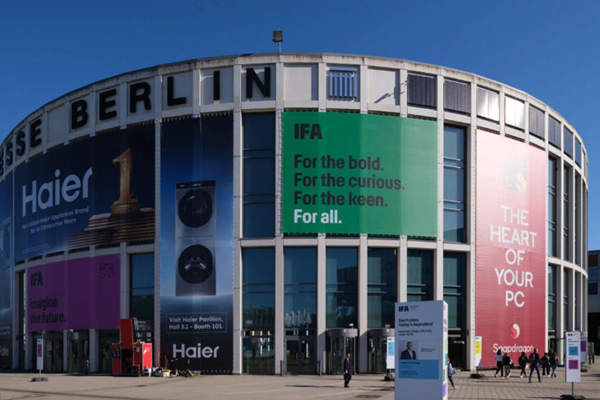
IFA Berlin 2025, Consumer Tech and Home Appliance Innovation
-

IFA Berlin 2025, The Largest Home & Consumer Tech Event
-
The smarter E Europe, Energy Industry Exhibition and Conference
-
TUBE & WIRE Düsseldorf 2026, Leading Tube/Cable Trade Fair
-
TRUSTECH 2026, Innovative Payments & Identification Solutions
-
EQUIP AUTO Paris Automotive Expo 2025